
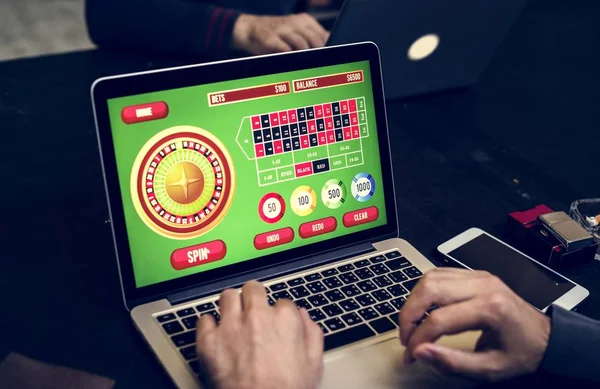
Explore the electrifying world of Casino-Spiele, where classic table games and thrilling slot machines await your next big win. From the spin of the roulette wheel to the strategic allure of blackjack, each game offers a unique blend of chance and excitement. Step into the action and experience the ultimate rush of real-time casino entertainment online.
Understanding the World of Gaming in Casinos
The casino gaming landscape extends far beyond mere chance, requiring a strategic appreciation of odds, house edges, and bankroll management. Understanding game mathematics is the foundation of responsible play, as each slot, blackjack hand, or roulette spin operates on fixed probabilities. A common pitfall is chasing losses or believing in “hot streaks,” which disrupts logical decision-making.
Treat your gaming budget as an entertainment expense, not an investment; the house always holds a statistical advantage over time.
To develop expert-level gaming awareness, focus on low-house-edge games like baccarat or craps, and always set loss limits before entering the floor. Ultimately, success in casinos is measured not by wins, but by maintaining discipline and understanding that every outcome is mathematically independent.
Key Differences Between Table Games and Electronic Options
Understanding the world of gaming in casinos requires recognizing that each game operates on a built-in mathematical advantage for the house, ensuring long-term profitability. Mastering casino game odds is the first step to informed play. Games fall into distinct categories that shift the player’s strategic approach:
- Table Games: Blackjack and baccarat offer low house edges with optimal strategy.
- Electronic Games: Slots and video poker rely on random number generators and payback percentages.
- Speciality Games: Roulette and craps involve pure chance but offer varied betting options.
Never gamble with money you cannot afford to lose, as no strategy overcomes the house edge in the long run. By focusing on games with transparent rules and lower house advantages, you treat the experience as entertainment rather than a winning venture.
How Random Number Generators Shape Digital Play
Stepping into a casino can feel like entering a whole new universe, where flashing lights and buzzing sounds create an electric atmosphere. The world of gaming here isn’t just about luck; it’s a blend of strategy, psychology, and pure entertainment. From the spinning roulette wheel to the strategic decisions at the blackjack table, every game offers a unique thrill. You’ll find slot machines with immersive themes and interactive bonus rounds, alongside classic card games where skill can truly tip the scales. Understanding the odds and house edge is key to playing smart, but the real draw is the social vibe and the rush of each bet. Online casino gaming has made this world accessible anytime, yet the in-person experience remains unmatched for its sensory overload and camaraderie.
House Edge vs. Player Odds: A Quick Breakdown
Entering a casino floor is stepping into a curated ecosystem where chance, psychology, and design collide. Casino game mechanics are engineered to create loops of anticipation and reward, particularly with slot machines that use visual and audio cues to trigger dopamine responses. Table games like blackjack and roulette introduce skill and strategy, but the house always retains a mathematical edge known as the “house advantage.” Understanding these dynamics is crucial: the randomness of slot outcomes, the odds in craps, and the psychology of near-misses. A quick breakdown of key differences helps:
- Slots: Pure chance; high volatility, flashy themes, fast play.
- Blackjack: Skill-based decisions; low house edge with basic strategy.
- Roulette: Static odds; European wheel offers better player returns than American.
Mastering this world means knowing these rules and setting strict budgets—chasing losses is the fastest way to break the thrill. Play smart, not desperate.
Popular Card-Based Entertainment Beyond Poker
Beyond the felt of poker tables, a vibrant world of card-based entertainment thrives on strategic deck-building and narrative depth. In countless living rooms, players transform into wizards summoning creatures from a *Magic: The Gathering* spellbook, each draw a gamble for the perfect combo. Meanwhile, a collector’s heart races as they crack open a pack of rare *Pokémon* cards, the foil glint promising a legendary creature. These games aren’t just luck; they are mental puzzles where community-driven tournaments forge lasting bonds, turning a simple hand of cards into a saga of triumph. The trading card game phenomenon has evolved into a global culture, where a single card can hold memories of both a childhood exchange and a championship victory, proving the deck always tells a deeper story.
Blackjack: Strategy, Counting, and Variants
Beyond the felt of poker tables, card games thrive as social canvases for strategy and bluff. From the trick-taking duels of Spades to the chaotic alliances in Euchre, players build memories around these decks. The enduring appeal of competitive card game communities turns any kitchen table into a battleground of wit and luck.
“The real thrill isn’t in the hand you’re dealt, but in the story you tell with every play.”
Games like Bridge demand partnership synergy, while Uno flips the script with wild cards and revenge plays. Each shuffle promises a fresh narrative—a last-minute Rummy meld, a Hearts queen disaster, or a Cribbage cut stealing the win. These shared moments, not the chips, keep the cards flying long past midnight.
Baccarat: The High-Stakes Card Classic
While poker dominates the casino spotlight, a vibrant world of modern deck-building strategy games offers thrilling alternatives. Titles like *Magic: The Gathering* and *Yu-Gi-Oh!* transform simple cards into dynamic battlegrounds where players summon creatures and cast spells. For cooperative fun, *Marvel Champions* and *Arkham Horror* let teams defeat villains together. Meanwhile, *KeyForge* surprises with unique, never-repeated decks, and *Unstable Unicorns* adds chaotic humor to resource management. Each game demands quick thinking and adaptability, creating intense, social experiences far beyond traditional gambling. Whether dueling one-on-one or solving mysteries as a group, these games redefine what a simple deck of cards can achieve.
Three Card Poker and Caribbean Stud Variations
While poker dominates the table game spotlight, the world of card-based entertainment beyond poker offers a treasure trove of fast-paced fun. Games like Cribbage mix luck with strategic pegging, while Rummy tests your ability to meld sets and runs. For social gatherings, the card game bridge remains a classic four-player challenge, rewarding memory and partner communication. Sleek modern decks have also fueled a global craze for “deck-building” games like Dominion, where each player constructs their own hand to outscore opponents. Whether you’re chasing the fastest hand in Speed or bluffing in B.S., these alternatives prove there’s a perfect card game for every mood and group size.
Exploring the Spin of Wheel-Based Games
Wheel-based games captivate players through a compelling blend of chance and anticipation. The core mechanics, from the roulette wheel’s deterministic physics to the digital RNG of modern slots, create an unpredictable **spin** that drives engagement. This suspenseful rotation, combined with thematic visuals and sound design, forms a potent psychological loop. Understanding game volatility and payout structures is crucial for effective bankroll management, transforming a casual pastime into a strategic pursuit of entertainment. The inherent randomness ensures every turn offers a fresh opportunity for reward, making the wheel an enduring symbol of gambling’s thrill.
Roulette: European, American, and French Styles
The mechanics of wheel-based games hinge on probabilistic outcomes, where each spin offers a distinct chance for victory or loss. Whether in roulette, wheel-of-fortune formats, or carnival games, the physics of rotational momentum and friction dictate the final resting position, often segmented into equal or weighted slots. This structural design directly influences player strategy and house advantage, making randomness in game mechanics a critical factor for fair play and engagement. Understanding these core principles helps players assess risk and designers balance entertainment with unpredictability.
Common wheel-based game elements:
- Outer ring: Displays prizes, points, or colors.
- Spinner/pointer: Stationary or moving element that marks the result.
- Segments: Divides the wheel into sections of varying value or probability.
- Stop mechanism: Determines the final position after spin deceleration.
Q&A
Q: Are all wheel spins truly random?
A: No. While designed to appear random, outcomes depend on initial force, friction, and wheel balance; regulated games use certified mechanisms to ensure fairness.
Wheel of Fortune and Other Live Wheel Events
Wheel-based games, from roulette to prize wheels, rely on a delicate balance of physics and chance. The spin’s outcome is dictated by initial force, friction, and the wheel’s precise balance, making each rotation a unique micro-event. Understanding probability in wheel games is crucial for managing expectations, as no strategy can alter the fundamental house edge.
True mastery lies not in predicting the spin, but in accepting its inherent randomness.
Players should focus on bankroll discipline rather than chasing patterns, as past results never influence future rotations. The unpredictable arc of the wheel remains the core of its enduring appeal.
The Rise of Slot Machines and Video Slots
The modern casino floor has witnessed a seismic shift, with slot machines and video slots now dominating revenue streams far beyond traditional table games. This rise is fueled by immersive digital technology, transforming simple three-reel devices into cinematic experiences boasting advanced graphics, intricate storylines, and interactive bonus rounds. Video slots, in particular, have captivated a new generation of players by merging instant-reward mechanics with the thrill of massive progressive jackpots. The integration of random number generators ensures fair play, while themes ranging from ancient mythology to blockbuster movies guarantee endless variety. As land-based venues embrace digital innovation and online platforms explode in popularity, the supremacy of video slots as the casino industry’s cornerstone is undeniable, offering accessibility and entertainment that no other game can match.
Classic Reels vs. Modern Video Slots
The evolution of slot machines into video slots has transformed casino floors into digital playgrounds of light and sound. From the classic one-armed bandit with its three reels and cherry symbols, technology has propelled these games into immersive experiences. Modern video slots now feature cascading reels, interactive bonus rounds, and cinematic storylines drawn from movies and mythology. Each spin feels like a high-definition mini-adventure. Key innovations include:
- Random number generators ensuring fair play
- Multi-payline systems offering hundreds of ways to win
- Progressive jackpots linking machines across continents for life-changing prizes
This shift from mechanical gears to vibrant digital screens has not only boosted player engagement but also cemented video slots as the dominant revenue driver for both land-based and online casinos globally.
Progressive Jackpots: How They Build
The evolution of slot machines from mechanical one-armed bandits to immersive video slots represents a seismic shift in gambling entertainment. Modern video slots dominate casino floors with high-definition graphics, cinematic soundtracks, and complex bonus rounds that far surpass the simple three-reel games of the past. This technological leap, powered by Random Number Generators and licensed themes from blockbuster movies, has created a more engaging player experience. Key advances include:
- High volatility gameplay with massive progressive jackpots
- Interactive features like free spins and pick-a-prize bonuses
- Mobile-optimized platforms enabling anytime, anywhere play
- Narrative-driven storylines that keep players entertained longer
The market for video slot innovation shows no signs of slowing, with VR and AR integration poised to redefine the genre entirely.
Theme-Based and Branded Slot Experiences
From clunky one-armed bandits in smoky saloons to dazzling digital marvels, the rise of slot machines mirrors the evolution of entertainment itself. Early mechanical slots relied on spinning reels and simple payout tables, but the leap to video slots in the 1970s transformed the industry. This shift unleashed vibrant graphics, immersive soundscapes, and complex bonus rounds that captivated a new generation. The modern appeal of online video slots lies in their endless variety, offering players:
- Cinematic themes based on movies and mythology
- Progressive jackpots that grow with every spin
- Interactive features like free spins and pick-and-win games
What was once a mechanical gamble has become a storytelling medium, where each spin feels like a chapter in an unpredictable adventure. The result is a global phenomenon that marries chance with artistry, keeping players hooked on the thrill of the unknown.
Dice and Number Games for Fast Action
When you need a quick hit of fun, dice and number games deliver pure fast action. The instant roll of a die, followed by a snap decision, keeps your brain thrilled and your heart pumping. Think of a game like *Liar’s Dice*, where you’re bidding and bluffing at lightning speed, or a classic round of *Farkle* where every throw of the dice is a high-stakes gamble. These games are perfect for short bursts, turning a coffee break into a high-tension standoff. The core mechanic is simple: roll, count, and react. This taps directly into the psychology of risk and reward, making every single number that appears feel huge. It’s this raw, instant feedback loop that makes dice games for fast action so addictive, and why they remain the ultimate choice for moments needing quick decision-making fun.
Craps: Betting on the Roll of the Dice
Dice and number games deliver fast-paced math action by forcing split-second decisions. In games like *Farkle* or *Liar’s Dice*, players roll hard and calculate probabilities instantly, balancing greed against strategy. Speed-based card games like *Speed!* or *Blitz* require rapid addition and pattern recognition to slap down winning combinations. These high-energy contests sharpen mental reflexes, turning arithmetic into adrenaline. The rush of a lucky roll or a quick number snap keeps every round unpredictable and electrifying.
Sic Bo and Other Number-Based Options
For rapid-fire gameplay, dice and number games excel by stripping away complex rules and focusing on pure probability and speed. The core appeal lies in immediate feedback: roll, match, or eliminate numbers with no downtime. Games like *Farkle* or *Yahtzee* require split-second decisions on which dice to keep, while *Shut the Box* forces a quick mathematical calculation for each throw. For maximum fast action, prioritize games with a high probability of immediate scoring, such as *10,000* or *Zilch*.
- Game Tip: Use a timer (30-60 seconds) for each turn to artificially spike the pace of traditional dice games.
- Mental Exercise: Instantly add or multiply small numbers to reinforce quick arithmetic under pressure.
Q&A
Q: What is the fastest dice game for two players?
A: *Liar’s Dice* (or *Perudo*) offers near-constant action because bets and challenges happen after every simultaneous roll, eliminating turn-based waiting.
Live Dealer Experiences in Virtual Formats
Live dealer experiences in virtual formats have revolutionized online gaming by seamlessly merging the authenticity of a physical casino with the convenience of digital access. High-definition streams from professional studios capture real cards, roulette wheels, and human croupiers in real time, eliminating any doubt about fairness or randomness. This hybrid model delivers an immersive atmosphere where players can boomerang casino slots interact via chat, fostering genuine social engagement that standard RNG games lack. The sophisticated technology ensures zero lag, making every spin or hand feel immediate and responsive. For anyone seeking the thrill of a land-based casino without travel, these virtual formats are undeniably superior, offering transparency and trust that algorithms alone cannot match.
Streamed Blackjack and Roulette Tables
Live dealer experiences in virtual formats have completely changed how people enjoy online gaming. You get the real energy of a physical casino from your couch, with professional dealers handling cards or spinning roulette wheels in real-time. The stream is sharp, the chat feature lets you interact, and you can even choose different camera angles. This blend of convenience and authenticity is a game-changing live casino advantage. For anyone who misses the buzz of a real table but wants to stay home, this setup nails it. It’s social, it’s fast, and it feels surprisingly personal despite being digital.

Interaction with Real Croupiers via Chat
Logging in felt like stepping into a velvet-draped studio in Monte Carlo, but my cats were sprawled across my laptop charger. The dealer, a sharp-suited professional named Elena, nodded at my username through the 4K stream. She shuffled cards with mechanical precision, yet the human element was uncanny—she caught my hesitation on a 16 against a dealer’s 7 and smiled, a silent nudge that felt live dealer authenticity was more than a gimmick. My chips clattered onscreen, and the croupier’s real-time reaction made my heart race as if I were seaside. The lag vanished; she spun the wheel, and the ball clattered into 22 black.
The thrill wasn’t just the win—it was the invisible bridge. In virtual formats, a chat box flickers between spins; a player from Tokyo typed “gl,” and a stranger from Berlin replied “ty.” I realized the dealer’s voice-over headphones united us, creating a shared table despite miles. Interactive realism thrives here.
The dealer sees you, but you see yourself in her eyes.
I’ve never felt so far from alone while sitting in my pajamas.
Regional Favorites and Cultural Variations
From the moment you step off a plane in a new city, the regional vocabulary tells you exactly where you are. A Londoner offers a “cuppa,” while an Aussie invites you for a “brew” and a New Yorker asks if you want a “coffee regular.” In the American South, a “coke” can mean any soda; in the North, it’s strictly a brand. Even the weather sounds different: a Scottish “dreich” day feels heavier than a New England “raw” afternoon. These linguistic flavors aren’t mistakes—they’re the living poetry of place. Each phrase carries a history of migration, trade, and stubborn pride, making English a quilt stitched from a thousand local stories rather than a single, monochrome fabric.
Pai Gow and Asian Table Games
English isn’t one-size-fits-all; it’s a tapestry of regional quirks. In the US, you grab a “sub” or a “hoagie,” but in the UK, it’s a “crisp” sandwich or a “chip butty.” Down under, Aussies throw “shrimp on the barbie,” while Texans insist on “brisket.” These aren’t just words—they’re identity. Regional dialects shape everyday vocabulary with local flavor. Consider these tasty examples:
- Soft drink variations: Soda (Northeast US), Pop (Midwest US), Fizzy Drink (UK).
- Breakfast terms: Biscuits & gravy (Southern US) vs. Scones & clotted cream (UK).
Your favorite snack might have a totally different name just 100 miles away—language is local pride on a plate.
From “truck” to “lorry” and “apartment” to “flat,” these small changes reflect culture, history, and a pinch of playful rebellion.

European Table Games Like Trente et Quarante
Regional favorites in English reveal how culture shapes vocabulary, grammar, and expression. In the UK, “pavement” contrasts with the US “sidewalk,” while Australians shorten words like “afternoon” to “arvo.” These variations often stem from historical influences, climate, or local humor. Understanding regional English dialects is essential for global communication. For example, Americans favor “fall” for autumn, whereas Brits use “autumn” derived from Latin. Ignoring these differences can lead to confusion in international business or travel. Common cultural variations include:
- Food terms: “chips” (UK) vs. “fries” (US) vs. “hot chips” (Australia).
- Politeness: “Please” and “sorry” used more frequently in Canadian English.
- Slang: “cheers” in the UK may mean thanks or goodbye.
Adopting local phrasing shows respect and improves rapport with native speakers.
Skill-Based Options for Competitive Players
For competitive players, the real fun kicks in when you ditch the meta and chase high-skill, high-reward mechanics. Think movement tech like rocket jumps or wave dashing, perfect execution combos that demand frame-perfect inputs, or intricate resource management where one mistake costs you the round. Mastering these options gives you a massive edge over opponents who just spam basic strategies. Games like fighting titles, tactical shooters, or precision platformers thrive on these deep systems, letting you express your individual style through pure execution. Whether it’s learning a perfect block timing or a crazy bunny-hop route, these skill-based tools turn every match into a personal challenge. They’re not about easy wins—they’re about earning every victory through grit, practice, and mechanical mastery that feels incredibly satisfying to pull off.
Poker Tournaments: Texas Hold’em and Omaha
For competitive players, skill-based options are the decisive factor between mediocrity and mastery. Focus relentlessly on high-APM (actions per minute) micro-mechanics and advanced movement techniques, such as animation cancelling and strafe-jumping, which create unpredictable advantages. Advanced tech execution directly dictates matchup control. Your training regimen must prioritize:
- Input precision drills: Performed for 15 minutes daily to eliminate misclicks and ghost inputs.
- Pattern recognition practice: Using replay analysis to identify and punish opponent tendencies within 0.5 seconds.
- High-stakes scenario simulation: Replicating tournament pressure in custom lobbies to build neural-pathway speed.
Abandon generic “beginner guides” and instead cultivate a personal toolkit of three-to-five hard-won techniques that no one else in your rank can consistently counter. This specialization forces opponents onto your terms.
Video Poker: Blending Strategy with Speed
For players who live for the climb, skill-based options transform a match into a proving ground. Choosing a high-ceiling character like Genji or Akali isn’t just a preference; it’s a declaration that you’ll outplay, not just out-stat, your opponent. These tools demand precise mechanical timing and deep matchup knowledge, turning every duel into a personal test of reflexes and prediction. High-skill character mastery separates the contenders from the casuals, offering distinct advantages that amplify through player effort. The payoff is immense: a perfectly executed combo or a clutch outplay feels like a genuine victory, not a lucky break. For the dedicated player, this isn’t a grind—it’s a path to demonstrable growth, where every failure teaches and every win proves you earned your spot at the top.
Mobile and Instant Play Platforms
Mobile and instant play platforms have revolutionized gaming by putting high-quality experiences directly into your pocket. Whether through dedicated app stores or browser-based streaming, these platforms eliminate lengthy downloads, allowing you to dive into action within seconds. Mobile gaming now rivals console titles, with touch-optimized controls and cloud synchronization ensuring seamless play across devices. For players seeking flexibility, instant play platforms bypass hardware limitations entirely, streaming graphically intense titles to any screen with a stable connection. This shift prioritizes accessibility, letting you jump from a quick puzzle during a commute to an epic RPG session at home without missing a beat. Portable power and zero-wait entry redefine how we engage with digital worlds, making every spare moment an opportunity for adventure.
Q: Can I play the same game on both mobile and instant play?
A: Absolutely! Many platforms now sync your progress across devices. Start on your phone during a break, then continue via a browser on your laptop where the graphics scale up for a premium experience.
Optimizing Gameplay on Smartphones
Mobile and instant play platforms have totally changed how we access games and apps, letting you jump into action without ever hitting a download button. A seamless cross-device gaming experience is now the norm, as these platforms use cloud streaming to deliver playable content directly through your mobile browser. This means no more waiting for huge installs or worrying about storage space. For casual gamers, it’s a game-changer—simply open a link, and you’re playing. They rely on powerful cloud servers to handle the heavy processing, so your phone stays cool. The list of perks is impressive:
- Zero installation: No app store needed.
- Instant access: Play right from a link or widget.
- Cross-platform sync: Switch seamlessly between phone and PC.
- Lightweight: Saves your device’s battery and memory.
These platforms excel at removing friction, making it easier than ever for anyone to play top-tier titles on the go. Because everything runs through your browser, updates and patches happen automatically on the server side, keeping your experience smooth and fresh. It’s the ultimate “click and play” revolution.
No-Download Browser-Based Options
Mobile and instant play platforms have transformed digital gaming by enabling access without downloads or high-end hardware. Mobile gaming accessibility relies on app stores and HTML5 technology for seamless play across devices. These platforms prioritize user convenience, offering titles optimized for touchscreens and varying internet speeds. Key advantages include cross-platform compatibility, reduced storage demands, and faster entry into games. However, performance often depends on network stability and device specifications, with instant play sometimes sacrificing graphic fidelity for portability. Both models continue to expand the global audience by lowering technical barriers, though monetization through ads and microtransactions remains central to their ecosystem.
Responsible Play and Risk Management
Responsible Play hinges on establishing clear personal limits for both time and money before engaging in any activity. Effective risk management involves viewing potential losses not as a cost of winning, but purely as the price of entertainment. To truly maintain control, treat all funds allocated for play as a non-refundable expense. Setting strict deposit and loss limits, alongside defined session durations, prevents pursuit of losses—a primary driver of problematic behavior. You should never play for validation or as a solution to financial strain. By consistently employing these self-imposed boundaries and recognizing the inherent house advantage, you transform play from a gamble into a managed, sustainable form of recreation. This responsible gambling framework is the only way to ensure the activity remains a positive experience rather than a detrimental habit. Prioritizing bankroll management as your cornerstone strategy is not restrictive; it is empowering.
Setting Limits on Time and Spending
Responsible play is all about keeping fun in the game while knowing your limits. Smart risk management means setting a budget, sticking to time limits, and never chasing losses. Practicing responsible gaming habits protects both your wallet and your peace of mind. A few simple rules can make a big difference: never gamble with money you can’t afford to lose, take regular breaks, and treat it as entertainment, not a way to make cash. Remember, the house always has the edge, so play for the thrill, not the win.
Recognizing Problematic Patterns Early
Responsible play centers on maintaining control over gaming activities to ensure they remain a source of entertainment rather than a financial burden. Effective risk management involves setting strict personal limits on both time spent and money wagered. Implementing self-exclusion tools and deposit caps is a critical strategy for mitigating potential harm. Players should regularly assess their emotional state and financial capacity before engaging, recognizing the statistical house edge inherent in all games. Key practices include:
- Establishing a strict budget that you can afford to lose without impacting essential living expenses.
- Taking mandatory breaks to avoid chasing losses or making impulsive decisions.
- Never borrowing money to gamble or attempting to recover lost funds.
Tools for Self-Exclusion and Player Support
Responsible play is the cornerstone of sustainable engagement, fundamentally requiring players to set firm personal limits on both time and expenditure before beginning any activity. Effective risk management involves proactively identifying potential hazards, from financial loss to emotional strain, and implementing concrete safeguards like deposit caps and self-exclusion tools. Adopting a proactive risk management strategy ensures that entertainment remains controlled and enjoyable, preventing impulsive decisions that lead to regret. By treating bankrolls as disposable entertainment budgets and never chasing losses, players maintain authority over their experience.
Q: What is the single most effective risk management tool?
A: Pre-setting a strict loss limit for each session and stopping immediately upon reaching it.